

Homemade Mac and Cheese Recipe
If there’s one dish that always makes everyone happy at the dinner table, it’s a big bowl of homemade mac and cheese. Soft macaroni covered in a warm, creamy cheese sauce is hard to resist. It’s simple comfort food, and honestly, you don’t need a special occasion to make it!
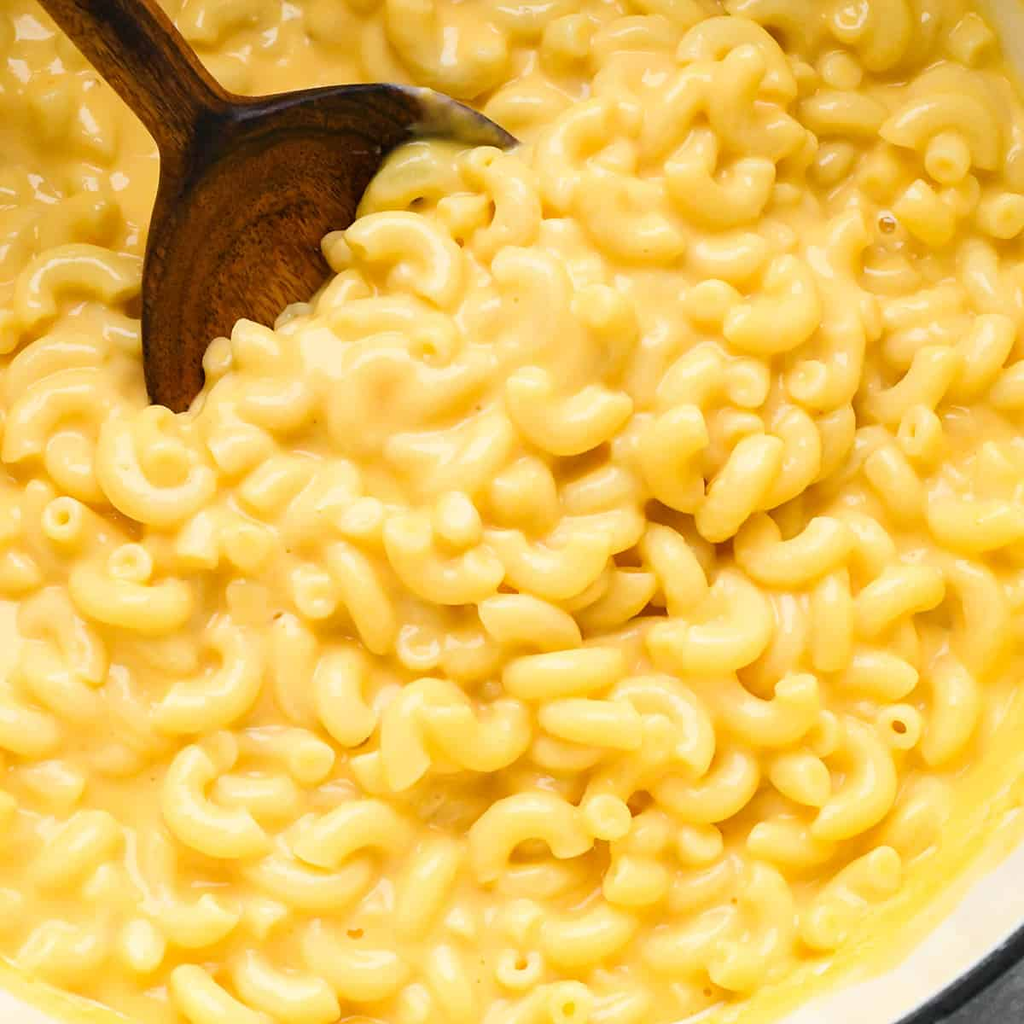
I started making mac and cheese at home because I wanted something better than the boxed version. I wanted a sauce that actually tasted like cheese, coated every piece of pasta, and stayed creamy from the first bite to the last. After trying a few different ways, I found that making the sauce with butter, flour, and milk gives the pasta just the right texture.
What I really like about this recipe is how easy it is. You don’t need expensive ingredients or hours in the kitchen. A handful of everyday ingredients and about 30 minutes are enough to put a delicious meal on the table. It’s a great choice for family dinners, quick lunches, or whenever you’re craving something cheesy.
Why This Recipe Belongs in Your Kitchen
There are plenty of ways to make mac and cheese, but I always come back to this simple stovetop version. It has everything I want in a homemade dish without making a big mess in the kitchen.
- Real homemade cheese sauce: Butter, milk, and freshly grated cheese create a rich sauce without using a packet.
- Simple ingredients: Nothing difficult to find or prepare.
- Quick cooking: You can have dinner ready in around 30 minutes.
- Easy to customize: Add bacon, vegetables, or a little spice to make it your own.
- Perfect for sharing: It’s a dish that works for both kids and grown-ups.
Ingredients for Homemade Mac and Cheese
Before you turn on the stove, get everything ready. This recipe uses basic ingredients, but each one has a job to do.

- Elbow macaroni (2 cups): The classic choice. Its small shape holds the cheese sauce beautifully.
- Butter (3 tablespoons): Gives the sauce a rich taste and forms the base for thickening.
- All-purpose flour (3 tablespoons): Helps turn the milk into a smooth, creamy sauce.
- Milk (2 cups): Whole milk is my first choice because it gives the sauce a fuller texture.
- Sharp cheddar cheese (2 cups, freshly grated): This brings the familiar cheesy flavor we all love.
- Mozzarella cheese (1 cup, freshly grated): Adds a soft, stretchy texture to the sauce.
- Salt (to taste): Brings all the flavors together.
- Black pepper (¼ teaspoon): Adds a little warmth.
- Paprika (¼ teaspoon): Optional, but it adds a nice touch of flavor.
A small kitchen tip: Grate the cheese yourself if you have time. Pre-shredded cheese often contains anti-caking ingredients, which can make homemade cheese sauce less smooth.
How to Make Homemade Mac and Cheese
Don’t let the homemade cheese sauce put you off. It’s much easier than it sounds. Just take your time with the sauce, keep the heat under control, and you’ll be fine.
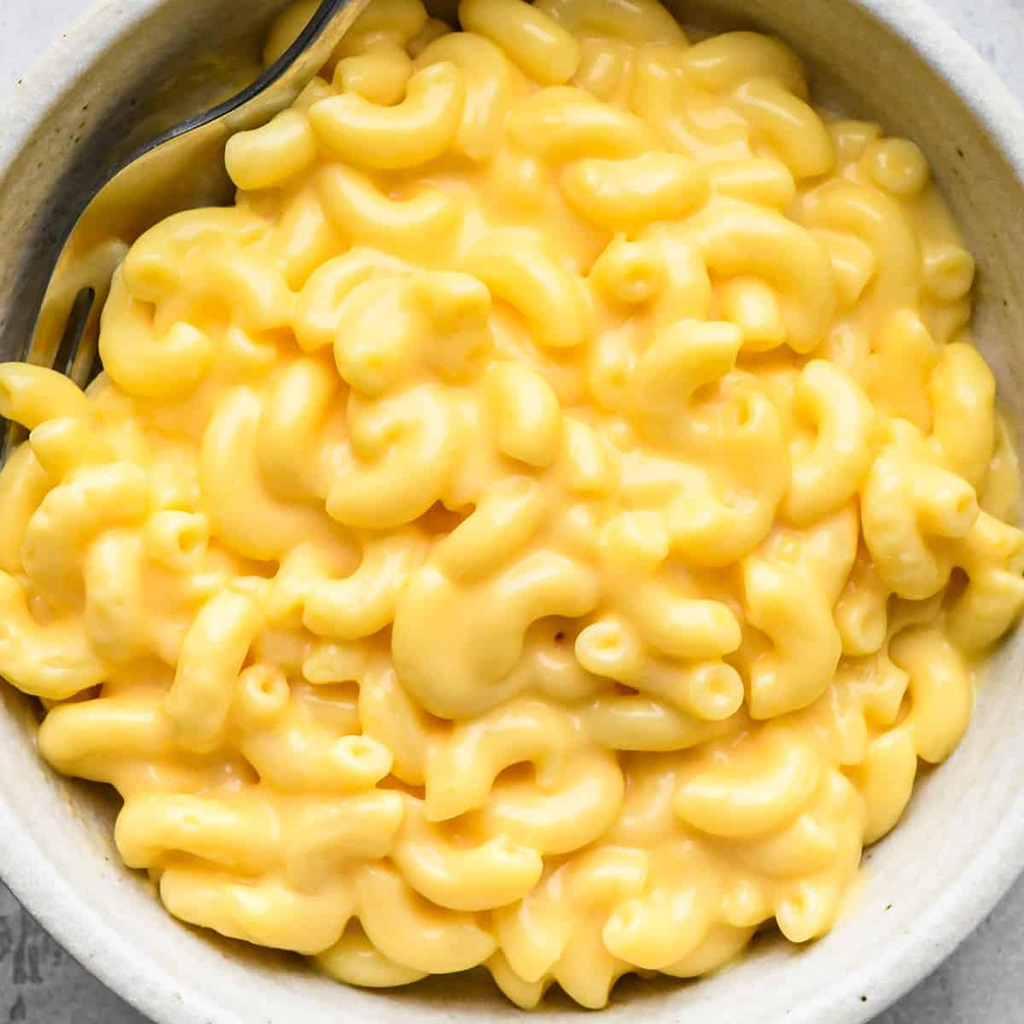
Step 1: Boil the Macaroni

Fill a large pot with water, add a good pinch of salt, and bring it to a boil. Add the macaroni and cook according to the package instructions.

I like to cook the pasta just until tender but still holding its shape. Nobody wants mushy macaroni, especially when it’s going into a creamy sauce. Once cooked, drain the pasta and set it aside.
Step 2: Start with Butter and Flour
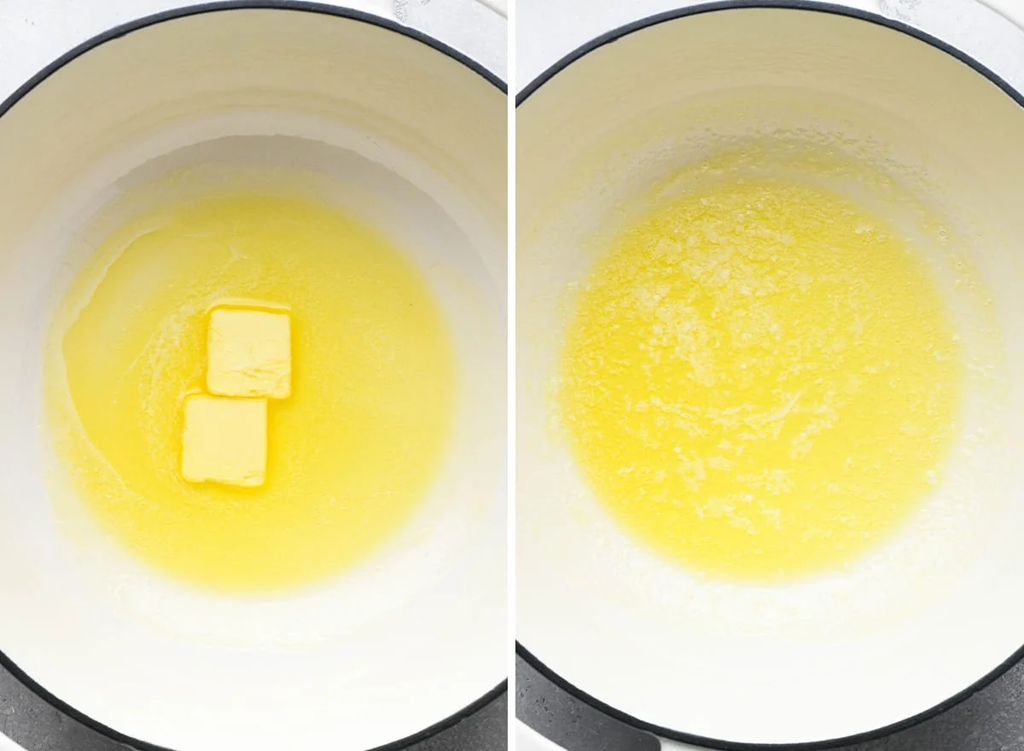
Place a saucepan over medium heat and add the butter. Once it melts, sprinkle in the flour and start whisking.

Keep stirring for about a minute. The mixture will look thick and paste-like. That’s exactly what you want. This butter and flour mixture is the secret to getting a sauce that clings nicely to the pasta.
Step 3: Slowly Pour in the Milk
Now comes the important part. Pour in the milk a little at a time while whisking. Don’t add everything too quickly, or you may end up with lumps.

Keep cooking and stirring for about 3 to 5 minutes. The sauce will gradually become thicker and smoother. When it lightly coats the back of a spoon, you’re ready for the next step.
Step 4: Melt in the Cheese
Lower the heat before adding your cheese. Stir in the cheddar and mozzarella gradually, allowing each addition to melt before adding more.
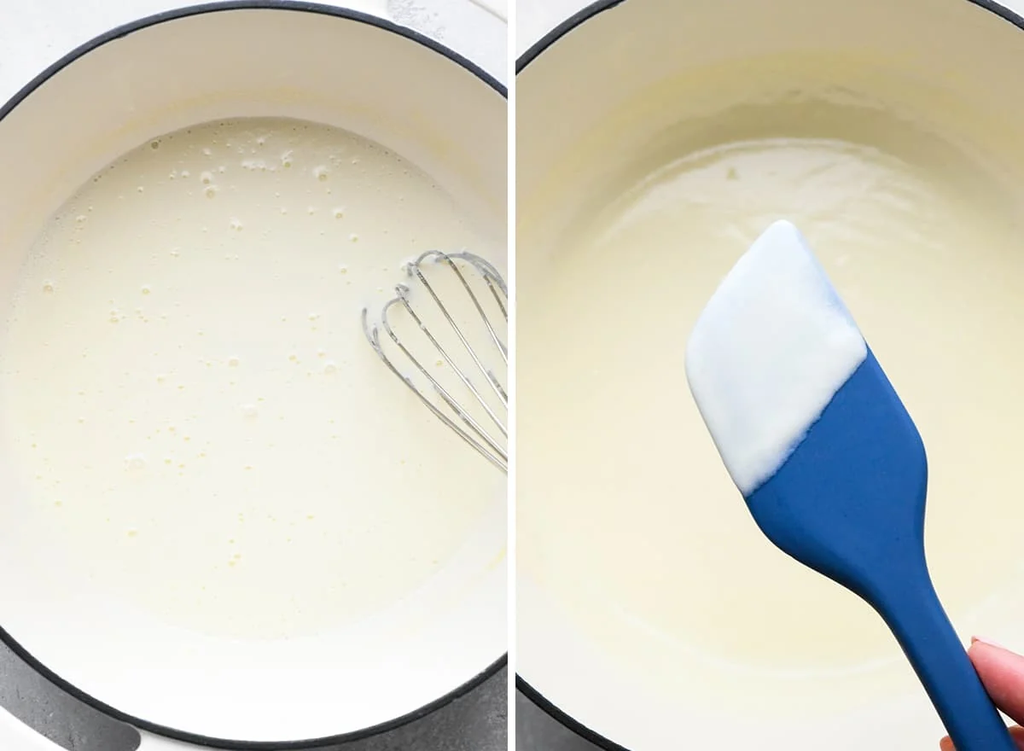
Season with salt, black pepper, and paprika. Give the sauce a taste. If it needs a little more seasoning, adjust it now.
The sauce should look creamy and smooth. If it gets too thick, a small splash of milk will help loosen it.
Step 5: Add the Cooked Pasta
Add the drained macaroni to your cheese sauce. Use a spoon to gently mix everything together.

Make sure the sauce reaches all the little spaces inside the pasta. Let it sit over low heat for about a minute, stirring gently, so the macaroni can soak up some of that cheesy goodness.
Step 6: Serve While It’s Warm
Turn off the heat and give everything one final stir. Spoon the mac and cheese into bowls and finish with a little extra grated cheddar or paprika if you like.
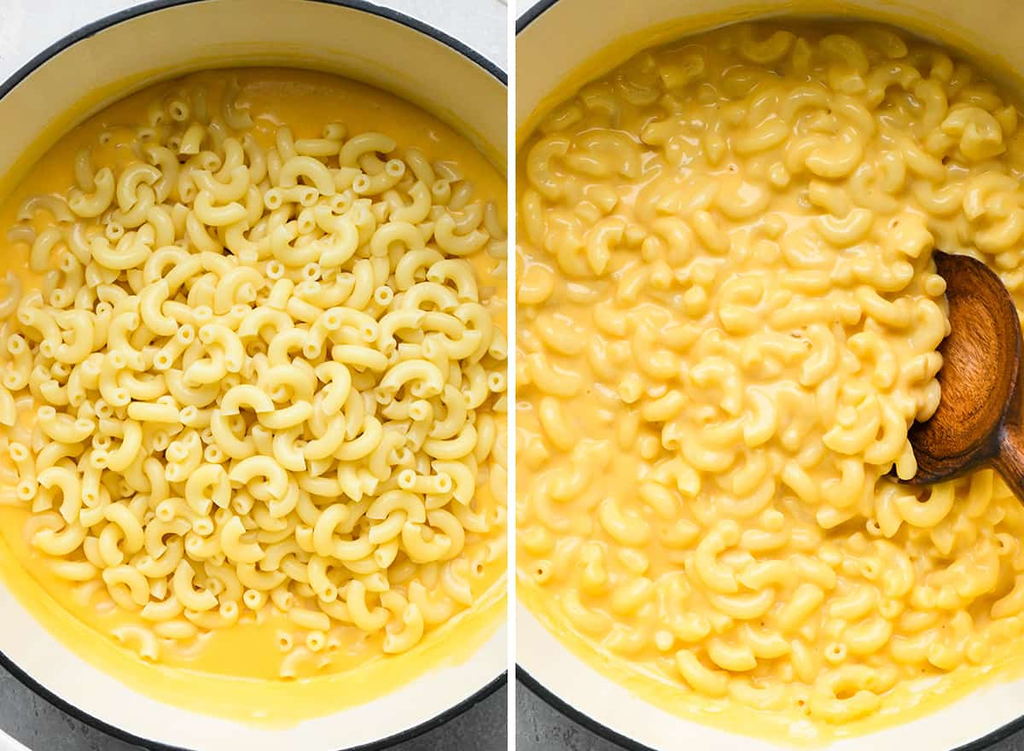
I recommend serving it right away while the sauce is at its creamiest. Grab a fork and enjoy!
My Best Tips for Creamy Mac and Cheese
A good mac and cheese doesn’t need complicated tricks. A few small details can make a big difference in the finished dish.
Use freshly grated cheese. This is one of the easiest ways to improve your sauce. Freshly grated cheese usually melts more smoothly than packaged shredded cheese.
Don’t let the milk boil hard. A gentle heat is enough to thicken the sauce. There is no need to rush it.
Add cheese over low heat. Too much heat can cause cheese to separate and become oily. Turn the heat down before adding it.
Keep some milk nearby. Macaroni absorbs sauce as it sits. If your dish looks thicker than you want, stir in a little warm milk.
Taste before serving. Different cheeses have different levels of saltiness. Always taste your sauce before adding extra salt.
Easy Ways to Change This Recipe
Once you’ve made the basic version, you can have fun with it. Mac and cheese is one of those dishes that welcomes a few extra ingredients.
Baked Mac and Cheese
Want a golden top with a little crunch? Transfer the finished macaroni into a baking dish. Cover with breadcrumbs and some extra cheddar. Bake at 375°F (190°C) until the top is golden and the edges are bubbling.
Bacon Mac and Cheese
Cook a few strips of bacon until crispy, chop them into small pieces, and stir them into the finished dish. The salty, smoky flavor goes really well with cheddar.
Spicy Mac and Cheese
If you enjoy spicy food, add a pinch of cayenne pepper or chili flakes to the sauce. You can also mix in chopped jalapeños for a little extra kick.
Broccoli Mac and Cheese
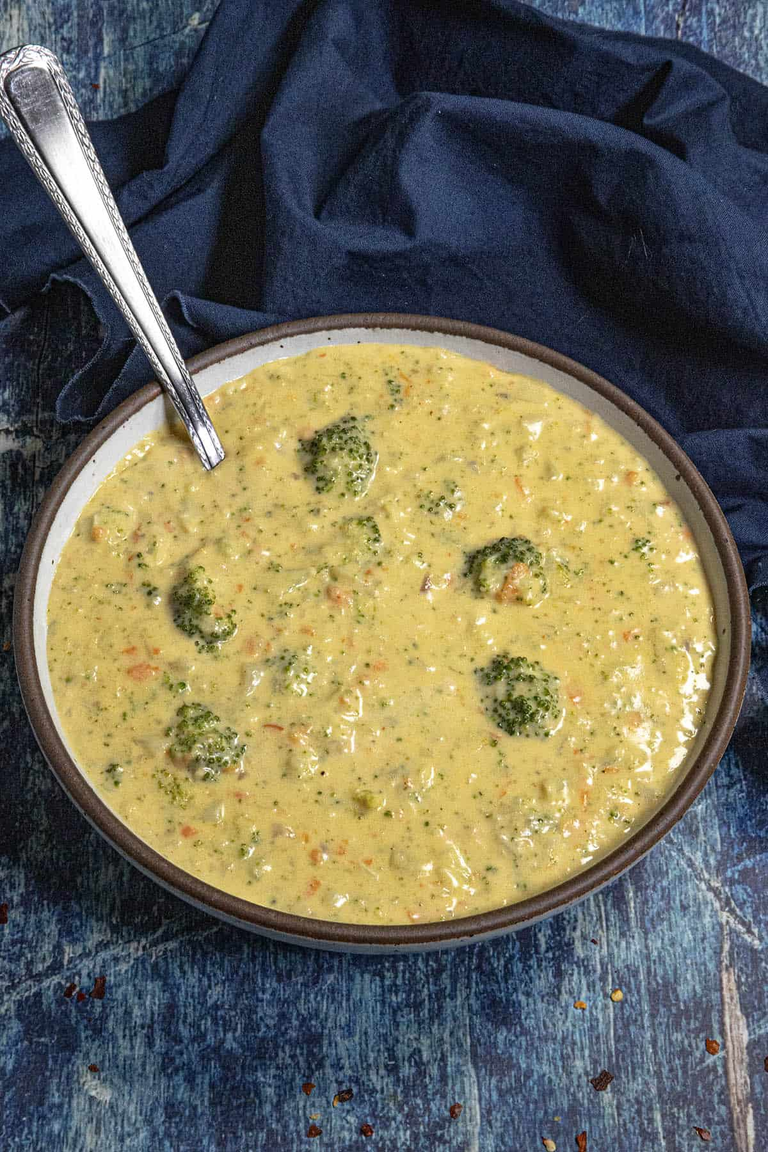
Steam or boil small broccoli florets until just tender. Stir them into the macaroni and cheese before serving. It’s an easy way to add some vegetables to the meal.
Garlic Cheese Mac
Add one or two finely minced garlic cloves to the melted butter before adding the flour. Cook briefly, then continue making the sauce as usual. The garlic gives the dish a lovely savory flavor.
What Goes Well with Mac and Cheese?
A bowl of homemade mac and cheese can easily be a complete meal, but sometimes I like serving it with something fresh or crispy on the side.
Here are some good choices:
- Grilled chicken with simple seasoning
- Crispy fried chicken
- Roasted broccoli or carrots
- A fresh garden salad
- Garlic bread
- Grilled sausages
- Roasted vegetables
If you’re serving mac and cheese as a side dish, it pairs especially well with grilled meats and roasted vegetables.
How to Store and Reheat Leftovers
If you make a little extra, you can save it for another meal. Let the macaroni cool slightly before storing it.
Refrigerator: Transfer leftovers to an airtight container and refrigerate for 3 to 4 days.
Reheating on the stove: Put the macaroni in a saucepan with a splash of milk. Warm over low heat, stirring gently until the sauce becomes creamy again.
Reheating in the microwave: Place a portion in a microwave-safe bowl. Add a little milk, cover loosely, and heat in short intervals. Stir between intervals until heated through.
Freezing: You can freeze mac and cheese in a freezer-safe container for up to 2 months for best quality. The sauce may become slightly grainy after thawing, so freezing isn’t my first choice for this recipe.
Frequently Asked Questions
What is the best cheese for homemade mac and cheese?
Sharp cheddar is my favorite because it gives the sauce a strong, classic cheese flavor. Mozzarella is great for extra stretch, while Monterey Jack and Gruyère are also delicious options.
Why is my mac and cheese sauce too thick?
Pasta continues absorbing liquid after cooking, so the sauce can get thicker as it sits. Simply stir in a little warm milk until you reach the consistency you like.
How do I stop my cheese sauce from becoming grainy?
Avoid adding cheese over high heat. Lower the temperature and stir in freshly grated cheese gradually. This helps it melt evenly without separating.
Can I make this recipe without flour?
Yes. You can use cornstarch instead. Mix about 1 tablespoon of cornstarch with a little cold milk, then add it to warm milk and cook until thickened. Add the cheese once the sauce has reached the right consistency.
Can I use a different pasta shape?
Of course! Small shells, cavatappi, rotini, and penne all work nicely. I prefer pasta shapes with curves or little spaces because they hold plenty of cheese sauce.
Can I prepare mac and cheese ahead of time?
Yes, but for the creamiest result, I recommend preparing the sauce and pasta separately. Store them in the refrigerator and combine them when you’re ready to serve. Add a little milk while reheating if needed.
A Little Homemade Comfort in Every Bite
For me, mac and cheese is all about keeping things simple and making something delicious with everyday ingredients. You don’t need a complicated recipe to create a meal that everyone looks forward to.
This homemade version gives you tender macaroni, a smooth cheese sauce, and plenty of room to add your own favorite flavors. Make it for a busy weeknight, serve it at a family gathering, or enjoy a bowl whenever you need some good old-fashioned comfort food.
Give it a try, and don’t be afraid to make it your own. After all, the best homemade recipes are the ones you enjoy making again and again!

Ingredients
Method
- Bring a large pot of salted water to a boil. Add the macaroni and cook according to the package directions until just tender. Drain and set aside.
- In a medium saucepan, melt the butter over medium heat.
- Add the flour and whisk continuously for about 1 minute until a smooth paste forms.
- Slowly pour in the milk while whisking to prevent lumps. Cook for 3 to 5 minutes, stirring until the sauce thickens.
- Reduce the heat to low. Add the cheddar and mozzarella cheese gradually, stirring until completely melted and smooth.
- Season with salt, black pepper, and paprika.
- Add the cooked macaroni to the cheese sauce. Stir gently until all the pasta is coated.
- If the sauce is too thick, add a splash of milk and stir until creamy.
- Remove from the heat and serve warm with extra grated cheese if desired.
Notes
- Freshly grated cheese melts better than pre-shredded cheese.
- Keep the heat low when adding cheese to prevent the sauce from becoming grainy.
- Add a little warm milk if the sauce becomes too thick.
- You can add crispy bacon, broccoli, or chili flakes for extra flavor.
- Store leftovers in an airtight container in the refrigerator for 3 to 4 days.


2 Comments